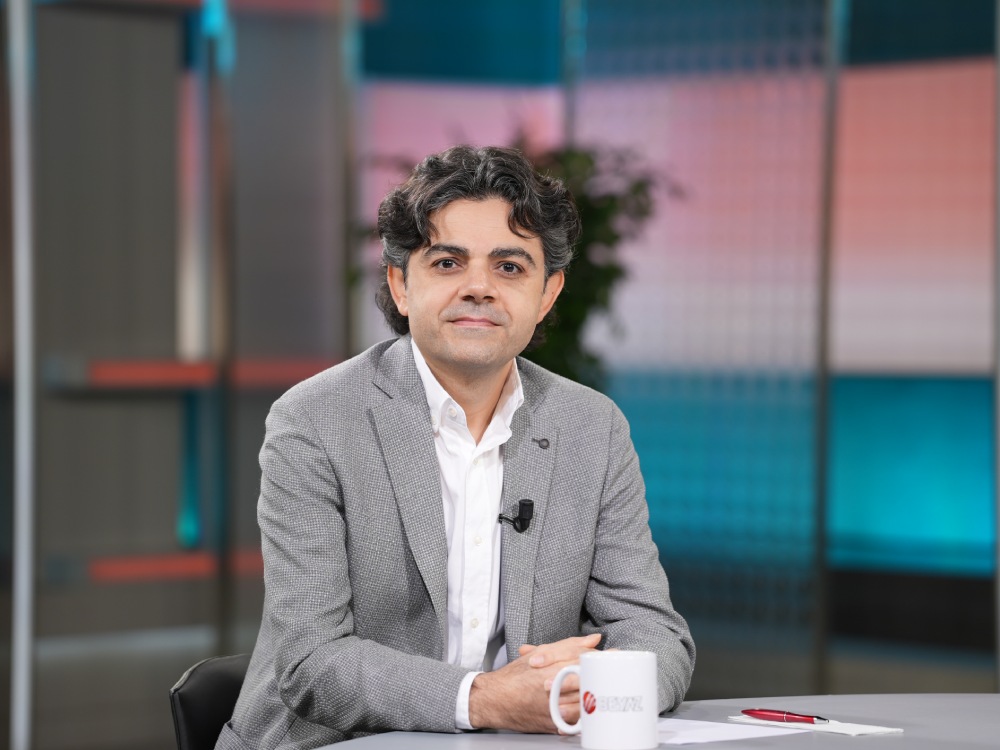
Uterine Fibroid Treatment in Istanbul, Turkey

Uterine Fibroids
Uterine fibroids are the most common non-cancerous growths affecting women of reproductive age. They are not cancer, and they rarely become cancer — but for millions of women, they are a source of real and daily suffering.
Heavy periods that flood through clothing and disrupt sleep. Pelvic pressure that makes it hard to sit comfortably.
A constant, nagging awareness of something wrong inside your body. And, for many, the painful discovery that fibroids are standing between them and the pregnancy they have been hoping for.
If you have been diagnosed with uterine fibroids, you are likely navigating a flood of questions: What treatment do I actually need? Will I need surgery? Will I lose my uterus? Can I still have children?
This guide is here to answer those questions clearly, honestly, and in full — drawing on the clinical expertise of Prof. Dr. Gökhan Boyraz, Professor of Gynaecology and Obstetrics and ESGO-certified Gynaecological Oncologist at the Istanbul Oncogynecology Clinic.
Prof. Dr. Boyraz has performed hundreds of uterus-preserving fibroid surgeries for patients from 36 different countries, and holds a world record for the largest fibroid ever removed while keeping the uterus intact — 18 kilograms, preserved uterus and all.
His philosophy is direct: get rid of the fibroids, not the uterus.
What are Uterine fibroids?
Uterine fibroids — also called myomas or leiomyomas — are firm, rubbery growths that develop from the smooth muscle tissue of the uterine wall. They are almost always benign (non-cancerous). They can be as small as a seed or as large as a melon. Some women have a single fibroid; others have many.
They tend to grow during the reproductive years, when oestrogen and progesterone levels are high, and often shrink naturally after menopause. But for women in their 20s, 30s, and 40s — often precisely when building a family is most on their mind — fibroids can grow aggressively and cause significant problems.
Figure: 7 kg cervical fibroids are seen

Types of Uterine Fibroids
Where a fibroid grows determines what symptoms it causes and how it should be treated:
Intramural fibroids grow within the muscular wall of the uterus itself. They are the most common type and can cause the uterus to enlarge noticeably.
Submucosal fibroids bulge inward into the uterine cavity. Even small submucosal fibroids can cause very heavy bleeding and are strongly linked to difficulty conceiving and recurrent miscarriage.
Subserosal fibroids grow outward on the outer surface of the uterus. They often cause pelvic pressure, back pain, and bladder or bowel symptoms rather than heavy bleeding.
Pedunculated fibroids are attached to the uterus by a thin stalk. They can be internal (inside the cavity) or external (projecting outward).
Cervical fibroids develop in the cervix — the lower, narrow portion of the uterus. These require particular surgical skill to remove safely while protecting the surrounding anatomy.
Symptoms of Uterine Fibroids
Not every woman with fibroids will feel them. But for those who do, the symptoms can range from inconvenient to debilitating:
- Heavy menstrual bleeding — soaking through pads or tampons rapidly, passing large clots, bleeding for more than seven days
- Anaemia and fatigue — resulting from chronic blood loss
- Pelvic pressure or a dull ache — the sensation of fullness, heaviness, or something pressing inside the lower abdomen
- Frequent urination — when a fibroid presses on the bladder
- Difficulty fully emptying the bladder
- Constipation or bloating — from pressure on the bowel
- Lower back or leg pain
- Pain during intercourse
- Fertility problems — difficulty conceiving, recurrent early pregnancy loss, or complications during pregnancy
In extreme cases, fibroids can grow large enough to visibly enlarge the abdomen. Prof. Dr. Boyraz has successfully operated on fibroids weighing several kilograms — cases that would cause many other surgeons to recommend hysterectomy outright — while still preserving the patient’s uterus.
What causes uterine fibroids?
The exact cause of uterine fibroids is not fully understood, but several contributing factors have been identified through research and clinical experience:
Hormonal influence: Oestrogen and progesterone both appear to stimulate fibroid growth. This explains why fibroids tend to appear during the reproductive years and regress after menopause.
Genetic factors: Many fibroids contain genetic changes that differ from the surrounding uterine muscle cells — suggesting an inherited or spontaneous mutation in a single muscle cell that then multiplies.
Growth factors: Proteins that regulate tissue growth, such as insulin-like growth factor, may also play a role in fibroid development.
Family history: Women whose close female relatives have fibroids are at higher risk of developing them.
Understanding the cause matters clinically because it informs decisions about timing, monitoring, and which treatment approaches are appropriate for each patient.
Uterine Fibroid Treatment Options: A Complete Overview
There is no single “correct” treatment for uterine fibroids. The right approach depends on the severity of your symptoms, the size, number and location of the fibroids, your age, and most importantly — whether you wish to preserve your fertility and your uterus.
At Prof. Dr. Boyraz’s clinic, every treatment plan begins with this question: Can we treat this without removing the uterus? In the vast majority of cases, the answer is yes.
Watchful Waiting (No Treatment)
If your fibroids are small, not causing significant symptoms, and you are approaching menopause — when fibroids often shrink naturally — your doctor may recommend monitoring them with periodic ultrasound scans rather than intervening immediately. This is a valid and completely appropriate approach for many women.
Medical (Non-Surgical) Management
There is currently no medication that permanently eliminates uterine fibroids, but several options can help manage symptoms in the short to medium term:
Hormonal treatments — such as the combined oral contraceptive pill, progestogen-only preparations, or the levonorgestrel intrauterine system (hormonal IUD) — can reduce heavy bleeding but do not shrink fibroids significantly.
GnRH agonists (gonadotropin-releasing hormone agonists, such as leuprolide) temporarily suppress oestrogen production, causing fibroids to shrink. They are often used for a few months before surgery to reduce fibroid size and decrease bleeding risk. They cannot be used long-term due to side effects including bone density loss.
Iron supplementation is frequently prescribed alongside other treatments when heavy bleeding has caused anaemia.
It is important to understand that medical treatments manage symptoms rather than cure fibroids. Once medication is stopped, fibroids typically return to their previous size.
Surgical Treatment: Myomectomy (Uterus-Preserving Fibroid Removal)
For women who need definitive treatment — or who want to maximise their fertility — myomectomy is the gold standard. A myomectomy removes the fibroids while leaving the uterus completely intact. It is not a compromise procedure; it is a curative surgical option performed by experienced surgeons every day, to outstanding outcomes.
Prof. Dr. Boyraz is one of the most experienced myomectomy surgeons in the region. He has performed this surgery on patients from 36 countries, including cases involving fibroids of extraordinary size and complexity. Hysterectomy is not necessary for fibroid treatment — and in the hands of an expert, even the most complex fibroid burdens can be addressed while preserving the uterus.
Types of myomectomy performed by Prof. Dr. Gokhan Boyraz
Laparoscopic Myomectomy (Keyhole Surgery)
This is Prof. Dr. Boyraz’s preferred approach for the majority of fibroid cases, including those involving large or multiple fibroids. Using a small camera (laparoscope) and precision instruments passed through tiny abdominal incisions, the fibroids are removed and the uterus is carefully repaired — all without a large open incision.
The benefits of laparoscopic myomectomy are significant: minimal scarring, substantially less post-operative pain, a hospital stay of 1–2 nights, and a return to normal activities within 2–4 weeks. Large fibroids can be divided and removed through the small incisions using a technique called morcellation, performed safely within a contained surgical bag.
Laparoscopic fibroid surgery requires considerable technical skill, and Prof. Dr. Boyraz’s extensive experience in advanced laparoscopic and oncological gynaecological surgery means he is fully equipped to manage even challenging or high-volume fibroid cases minimally invasively.
Hysteroscopic Myomectomy
When fibroids are located inside the uterine cavity (submucosal fibroids), hysteroscopic myomectomy is the most targeted approach available. An instrument is passed through the vagina and cervix into the uterus — with no abdominal incisions whatsoever — and the fibroid is removed directly from within the cavity.
This technique is especially important for women whose fibroids are causing infertility or recurrent pregnancy loss, and for those experiencing very heavy periods driven by submucosal fibroids. Recovery is rapid, often requiring just one day in hospital.
Open (Abdominal) Myomectomy
For patients with a very high number of fibroids, extremely large individual fibroids, or unusual anatomical complexity, open myomectomy remains available and appropriate. Prof. Dr. Boyraz has successfully performed open myomectomy on some of the most complex fibroid cases encountered — including the removal of an 18 kg fibroid with the uterus fully preserved — a case without parallel in the published medical literature.
Even in the most challenging open cases, the commitment is the same: remove the fibroids, protect the uterus, and give the patient every opportunity to achieve pregnancy if she wishes.
Pregnancy and fibroids
Fibroids usually don’t interfere with getting pregnant. However, it’s possible that fibroids — especially submucosal fibroids , could cause infertility or pregnancy loss. Fibroids may also raise the risk of certain pregnancy complications, such as placental abruption, fetal growth restriction and preterm delivery.
Treatment of uterine fibroids
There’s no medical approach to uterine fibroid treatment . If you have symptoms, talk with your doctor about options for symptom relief. In a myomectomy, your surgeon removes the fibroids, leaving the uterus in place (fibroid surgery with protecting the uterus).
Best Fibroid Removal Surgery Doctors in Istanbul .. Myomectomy is a surgical procedure done to remove only uterine fibroids. Myoma Surgery in Istanbul..Uterine Fibroids (Myoma uteri) Treatment in Turkey.. +90 536 813 7940
Laparoscopic or robotic myomectomy
If the fibroids are few in number, we may opt for a laparoscopic or robotic procedure, which uses slender instruments inserted through small incisions in your abdomen to remove the fibroids from your uterus.
Larger fibroids can be removed through smaller incisions by breaking them into pieces (morcellation), which can be done inside a surgical bag, or by extending one incision to remove the fibroids.
We view your abdominal area on a monitor using a small camera attached to one of the instruments. Robotic myomectomy gives your surgeon a magnified, 3D view of your uterus, offering more precision, flexibility and dexterity than is possible using some other techniques.
Figure: Uterine fibroids are seen which are removed laparoscopicly


Hysteroscopic myomectomy
This procedure may be an option if the fibroids are contained inside the uterus (submucosal). We access and remove fibroids using instruments inserted through your vagina and cervix into your uterus.
Abdominal myomectomy
If you have multiple fibroids, very large fibroids or very deep fibroids, your doctor may use an open abdominal surgical procedure to remove the fibroids.
Many women who are told that hysterectomy is their only option can have an abdominal myomectomy instead. This is not true. Fibroid surgery is possible without removing the uterus.
Hysterectomy ends your ability to bear children. If you also elect to have your ovaries removed, the surgery brings on menopause and the question of whether you’ll take hormone replacement therapy. Most women with uterine fibroids may be able to choose to keep their ovaries and uterus..
We treat fibroids without a hysterectomy. Choosing to have fibroid surgery is never a simple decisşon. Istanbul Oncogynecology Clinic help you find the best option to treat your fibroids. I walk you through every opportunity so you feel confident in your decision for medication or surgery. Contact us today to schedule an appointment for your treatment options.


If you’re trying to get pregnant or might want to have children
Hysterectomy won’t allow you to have a future pregnancy. Also, uterine artery embolization and radiofrequency ablation may not be the best options if you’re trying to optimize future fertility. Before deciding on a treatment plan for fibroids, a complete fertility evaluation is recommended if you’re actively trying to get pregnant. If fibroid treatment is needed — and you want to preserve your fertility — myomectomy is generally the treatment of choice.
Surgical experience is very important for the preservation of the uterus in myoma surgery. The size, number and location of the fibroids are determined by the preoperative examination and the surgery is planned accordingly. uterine fibroid surgery
Uterus Protective Uterine Fibroid (Myoma) Surgery
Nowadays, fibroids of very large sizes are seen in very young women who want to have children in the future. The biggest fear of these patients is damage to their uterus. Damage that may occur in the uterus during fibroid removal or complete removal of the uterus also destroys the dreams of young patients to become mothers in the future. However, it is possible to remove only the fibroid, regardless of the fibroid size.
Removal of the uterus is NOT necessary for the treatment of fibroids. (Uterine Protective Fibroid Surgery). The uterine tissue from which the fibroid was removed is sutured in multiple layers. There is no problem in getting pregnant after a uterine fibroid surgery without damaging the uterus.
Therefore, surgical experience is very important in fibroid surgeries. The experience of the surgeon performing myoma surgery is of great importance for less bleeding and protection of the uterus. istanbul fibroid surgery 2022
- We treat your FIBROIDS without a HYSTERECTOMY; If you need surgery, we remove just the fibroids and protect your uterus.
Uterine-sparing surgery is possible without removing the uterus
Since there is no effective drug treatment for fibroids, surgical methods are used. However, surgical methods can be a concern especially for young women who have never had children.
Today, fibroids of very large sizes are seen in very young women who want to have children in the future. The biggest fear of these patients is damage to their uterus.
Frequently asked questions by our patients are, “Is it necessary to remove the uterus for uterine fibroids?”, “Is there any harm to the uterus?” Damage that may occur in the uterus during fibroid removal or complete removal of the uterus also destroys the dreams of young patients to become mothers in the future. However, it is possible to remove only the fibroid, regardless of the fibroid size or location.
Removal of the uterus is NOT necessary for the treatment of fibroids. There is no problem in getting pregnant after a uterine fibroid surgery without damaging the uterus.
Laparoscopic Uterine Fibroid Surgery Is Possible By Preserving The Uterus
Laparoscopic fibroid surgery is also possible in patients with large or multiple fibroids. Contact us for laparoscopic uterine-sparing fibroid surgery!! Uterine Removal is NOT Necessary for Fibroid Treatment!! Uterine Protective Myoma Surgery Istanbul. The uterine tissue from which the fibroid was removed is sutured in multiple layers. There is no problem in getting pregnant after a uterine fibroid surgery without damaging the uterus. Therefore, surgical experience is very important in myoma surgeries.
Myoma Surgery Istanbul The experience of the surgeon who performs myoma surgery is of great importance for less bleeding and protection of the uterus. CAN I REMOVE THE UTERINE IN MYOMY SURGERY?
CAN FIBROIDS BE TREATED WITHOUT UTERUS REMOVAL? Yes. In contrast to a hysterectomy, the uterus remains intact in a myomectomy, preserving the woman’s fertility.
Laparoscopic Uterine Fibroid Surgery Prices 2026
Laparoscopic fibroid surgery is very different from open myoma surgeries, both in terms of surgical equipment and materials used, and technically. For this reason, it is relatively more expensive than open myoma surgeries.
However, after closed myoma surgery, patients are discharged faster and return to work faster. Since there is no large incision in the abdomen, problems such as hernia risk or intestinal adhesions after surgery are not observed in closed surgery.
Call us for fibroid surgery price information. Fibroid Removal Surgery cost in Turkey
ONCOGYNECOLOGIST Prof.Dr.Gokhan BOYRAZ is the surgeon who removed the largest myoma by preserving the uterus in the world.
He managed to remove the fibroid weighing exactly 18 kilograms, while preserving the uterus.
To date, he has performed hundreds of uterine-sparing myoma surgeries on patients from 36 different countries, and delivered many of his patients later.
He continues to serve his patients from all over the world and all over Turkey in this regard. How Much Does a Laparoscopic Myomectomy Cost? Call us: +90 536 813 7940
Figure: 18 kg uterine fibroid


‘Get Rid of Fibroids, NOT UTERUS’….. Unlike a hysterectomy, which removes your entire uterus, we remove only the FIBROIDS and protect your UTERUS.
Istanbul Oncogynecology Clinic is proud to offer the latest technology and surgical expertise in robotic-assited and laparoscopic myomectomy.
Prof. Dr. Gokhan Boyraz has certification from European Society of Gynecological Cancer (ESGO). A myomectomy can be done as a tradiational open procedure or can use minimaly invasive, laparoscopic or robotic techniques. Many women want to keep their uterus and may just want a laparoscopic myomectomy. This minimal invasive approach also has the benefit of reduced risk of complications, smaller incision, less postoperative pain
The average cost of Fibroid Removal Surgery in Turkey : +90 536 813 7940
Contact Prof. Dr. Gokhan Boyraz’s clinic for a consultation — in person in Istanbul, or remotely from wherever you are in the world. You deserve a second opinion, a clear plan, and a surgeon who will fight to keep your uterus intact.
📞 +90 536 813 79 40
💬 WhatsApp: +90 536 813 79 40
🌐 gokhanboyraz.com/en
📍 Teşvikiye, Hakkı Yeten Caddesi, Unimed Center No:19, Kat:8 — Fulya / Istanbul
This article is written for informational and educational purposes. It does not constitute medical advice and is not a substitute for a personal consultation with a qualified gynaecological specialist. Please contact Prof. Dr. Boyraz’s clinic directly to discuss your individual situation.