Endometriosis Surgery in Istanbul, Turkey (Cost and what to expect)
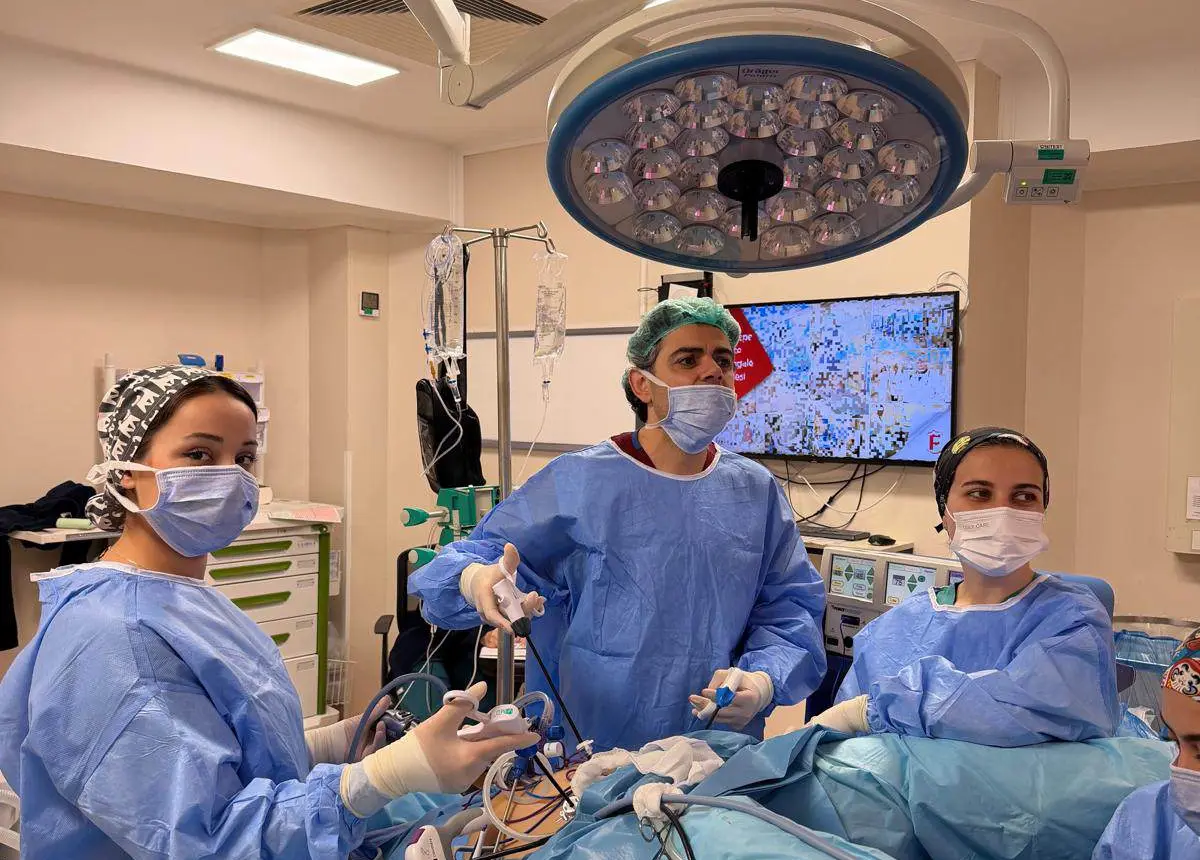
Endometriosis surgery in Turkey has evolved into a highly specialised field. Istanbul, in particular, is home to world-class laparoscopic surgeons trained across Europe and internationally.
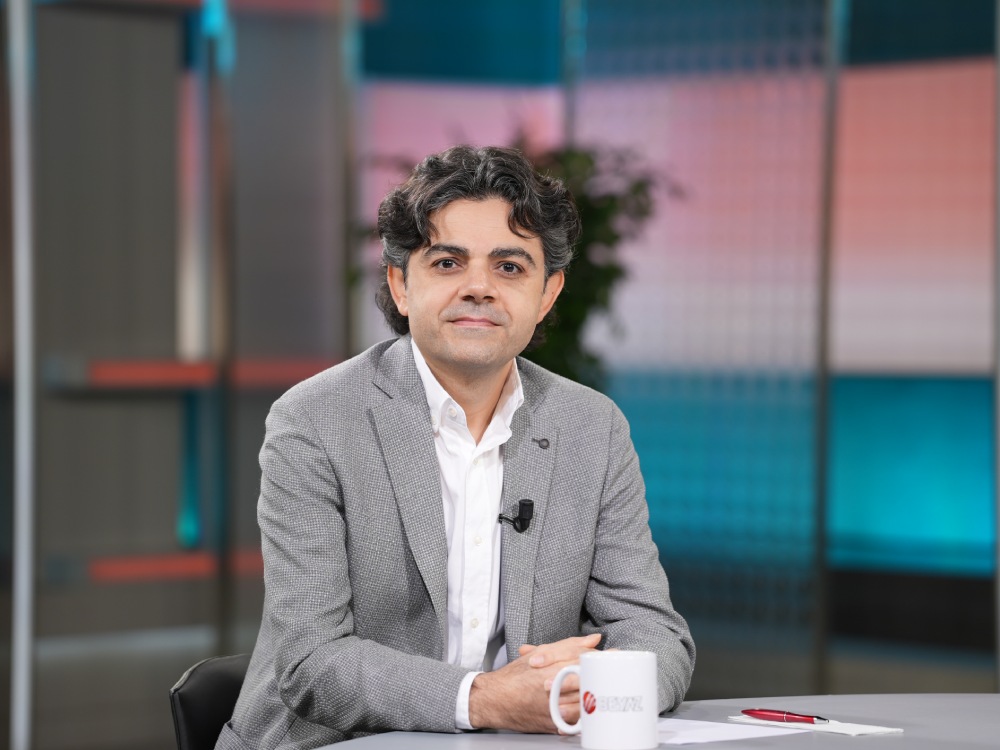
Among them is Prof. Dr. Gökhan Boyraz — a Professor of Gynaecology and Obstetrics, ESGO-certified Gynaecological Oncologist, and laparoscopic surgery specialist who has performed endometriosis surgery on patients from 37 different countries.
His approach is built on a single principle: treat the disease thoroughly, preserve fertility, eliminate pain — and give women their lives back.
Endometriosis is a chronic condition where tissue similar to the uterine lining grows outside the uterus — in the ovaries, fallopian tubes, bowel, bladder, and pelvic structures.
For many women, this tissue bleeds during each menstrual cycle, causing severe inflammation, scarring, and pain that ranges from debilitating to absolutely life-altering.
Endometriosis surgery cost in Turkey: Affordable world-class care
One of the most significant advantages of choosing endometriosis surgery in Turkey is the cost differential compared to other developed countries.
Without compromise on surgical expertise, facility quality, or patient outcomes, treatment in Istanbul costs substantially less than equivalent procedures in Western Europe, the United States, or Australia.
Cost Comparison: Turkey vs. Other Countries
To put the cost in perspective:
| Country | Laparoscopic Endometriosis Surgery Cost |
|---|---|
| Turkey (Istanbul) | $3,500 — $6,500 |
| United States | $12,000 — $25,000+ |
| United Kingdom | $8,000 — $15,000 |
| Germany | $7,000 — $14,000 |
| Australia | $10,000 — $20,000 |
Even after accounting for flights and accommodation, international patients choosing Turkey typically save 50–70% compared to treatment in their home country.
Endometriosis surgery cost breakdown by surgical approach
Laparoscopic Endometriosis Surgery (the most common approach)
- Typical cost range: $3,500 — $6,500 USD
- This is the most cost-effective option and represents the majority of endometriosis cases treated
Deep Infiltrating Endometriosis (DIE) Surgery (more complex cases, longer operative time)
- Typical cost range: $5,000 — $8,500 USD
- Includes: All of the above, plus extended operative time and potentially bowel or bladder expertise
- Still significantly cheaper than equivalent surgery in Western countries
Open Abdominal Surgery (for cases where laparoscopy is not suitable)
- Typical cost range: $4,500 — $7,500 USD
- Includes: Longer hospital stay and recovery monitoring
Understanding Endometriosis: What it is and why it hurts so much
What Is Endometriosis?
Endometriosis (from “endo-” meaning inside, and “-metrium” referring to the uterine lining) is a condition where tissue structurally and functionally similar to the inner lining of the uterus (the endometrium) grows in locations outside the uterus where it doesn’t belong.
In a healthy menstrual cycle, the endometrium thickens in preparation for pregnancy, then sheds during menstruation. When endometriosis is present, this displaced tissue also responds to hormonal signals — it thickens, breaks down, and bleeds — but the blood has nowhere to go. It becomes trapped in the pelvis, causing inflammation, scarring, adhesions (internal sticking), and severe pain.
Where Endometriosis Grows
Endometriosis can develop in many locations:
- Ovaries — often forming cysts called “chocolate cysts” or endometriomas, filled with old, dark blood
- Fallopian tubes — blocking them and preventing eggs from moving toward the uterus
- Uterine surface and behind the uterus — causing pain and scarring
- Bowel — causing severe pain with bowel movements and constipation
- Bladder and urinary tract — causing pain with urination and blood in urine
- Rectovaginal septum — the tissue between the vagina and bowel, causing pain with intercourse and defecation
- Rarely, the lungs, spine, and other distant sites
The severity of symptoms does not always correlate with the extent of disease. Some women with minimal endometriosis experience severe pain, while others with extensive disease have few symptoms. This variability is one reason endometriosis is so often misdiagnosed or overlooked.
Key Statistics on Endometriosis
- 10% of women of reproductive age have endometriosis
- 40% of infertile women have endometriosis
- 40–60% of women with chronic pelvic pain have endometriosis
- 80% of endometriosis patients present with pain as their primary complaint
- 25% of endometriosis patients present with infertility
- Diagnosis is often delayed by 8–10 years after symptoms first appear
This last statistic is perhaps the most troubling: women suffer for a decade before getting a name for their condition and access to effective treatment.
Symptoms of Endometriosis: Recognising the signs
Endometriosis manifests with a diverse range of symptoms. Not every woman experiences all of them, but common presentations include:
Pain Symptoms
- Severe menstrual cramps (dysmenorrhoea) — pain that starts 2–3 days before the period and continues throughout menstruation, sometimes lasting days after it ends
- Chronic pelvic pain — pain throughout the month that may worsen with the menstrual cycle
- Pain during or after intercourse (dyspareunia) — often described as deep pain
- Pain with bowel movements (dyschezia) — especially during menstruation
- Pain with urination — particularly during the period
- Lower back and leg pain — radiating from the pelvis downward
- Side pain — localised to one or both lower sides of the abdomen
Bleeding and Reproductive Symptoms
- Heavy menstrual bleeding — flooding, soaking through protection, passing large clots
- Prolonged periods — bleeding lasting more than seven days
- Infertility or difficulty conceiving — endometriosis affects 25–50% of infertile women
- Recurrent miscarriage — especially when endometriosis distorts the uterine cavity
- Brown or dark spotting — in the days before menstruation
Systemic Symptoms
- Fatigue and exhaustion — chronic and often debilitating
- Depression, anxiety, and mood disturbance — resulting from chronic pain and reduced quality of life
- Lack of energy or motivation — described by patients as “just not caring anymore”
- Digestive complaints — bloating, constipation, diarrhoea, nausea
- Frequent urination
The Psychological Impact
Women with endometriosis frequently report feeling invalidated. Their pain is dismissed as “normal period pain” or “all in their head.” Over time, they internalise this dismissal, doubting their own experience. Some develop anxiety about upcoming periods. Many experience depression from the relentless cycle of pain and limitation.
Prof. Dr. Gokhan Boyraz encounters this pattern consistently: women arrive at his clinic having been told by multiple doctors that their pain is psychological, only to learn they have extensive endometriosis that has been affecting their anatomy for years.
This validation alone — learning that their pain was real and caused by a genuine physical condition — often begins the healing process.
How Endometriosis Causes Infertility
For women seeking pregnancy, endometriosis can be particularly cruel. The condition affects fertility through multiple mechanisms:
Anatomical distortion: Endometriosis and its scarring can deform the uterine cavity, making implantation difficult or impossible. It can block the fallopian tubes, preventing sperm and egg from meeting.
Inflammation: The chronic inflammatory state created by endometriosis is hostile to sperm, egg quality, and embryo development.
Ovulatory dysfunction: Endometriosis can interfere with normal ovulation and egg release.
Implantation failure: Even when fertilisation occurs, the inflamed and scarred endometrial lining may prevent the embryo from implanting.
Chocolate cysts on the ovaries: These can compress ovarian tissue, reducing egg production and quality.
For this reason, women with endometriosis who wish to conceive often benefit greatly from surgical treatment. Removing endometrial lesions, opening blocked tubes, restoring normal anatomy, and eliminating the inflammatory environment can restore fertility significantly.
Endometriosis treatment in Turkey: Why choose this destination?
Excellence in Laparoscopic Endometriosis Surgery
Turkey, and Istanbul specifically, has emerged as a global hub for advanced laparoscopic gynaecological surgery. Several factors explain this:
Surgeon expertise: Turkish gynaecologists trained in leading European and international centres bring world-class skills back to Istanbul. Many hold ESGO certifications (European Society of Gynaecological Oncology), the highest European standard for surgical gynaecology.
High patient volume: Leading Istanbul clinics see high numbers of endometriosis cases, which translates into refined surgical technique and deep experience with complex cases.
Advanced technology: Top-tier hospitals are equipped with state-of-the-art laparoscopic and robotic surgical platforms, high-definition imaging, and modern operating theatres that meet international standards.
Cost efficiency: Endometriosis surgery in Turkey costs a fraction of equivalent procedures in Western Europe or North America — often 50–70% less — without any compromise on surgical quality or facility standards.
International recognition: Many Turkish specialists have published peer-reviewed research on endometriosis and are active in international surgical societies.
Prof. Dr. Gökhan Boyraz: A Surgeon Specifically Dedicated to Endometriosis
Within this landscape of surgical excellence, Prof. Dr. Gökhan Boyraz has built a reputation specifically centred on endometriosis and deep infiltrating endometriosis surgery. His qualifications and experience are exceptional:
Academic credentials:
- Professor of Gynaecology and Obstetrics (2024)
- ESGO-certified Gynaecological Oncologist — the highest European certification in gynaecological surgery
- Associate Professor (awarded 2019)
- Ranked 1st in Türkiye’s gynaecological oncology sub-speciality entrance examination (2013)
Surgical training:
- Fellowship in Gynaecological Oncology at Hacettepe University (Ankara) — one of Türkiye’s premier academic medical centres
- Advanced surgical training at Kliniken Essen Mitte, Germany — one of Europe’s leading gynaecological oncology institutes
- Cadaveric surgery training in laparoscopic techniques in Graz, Austria (ESGO)
- Training with Dr. Paul H. Sugarbaker — the mentor of HIPEC (Hyperthermic Intraperitoneal Chemotherapy) — in advanced surgical oncology
Clinical experience:
- Over 40 peer-reviewed international scientific publications
- Hundreds of endometriosis and chocolate cyst surgeries performed
- Patients treated from 37 different countries
- Many patients have gone on to successful pregnancies after endometriosis surgery
Specialty focus:
- Laparoscopic endometriosis surgery
- Deep infiltrating endometriosis (including bowel endometriosis)
- Chocolate cyst (endometrioma) removal with ovary preservation
- Minimally invasive techniques for complex cases
- Fertility-preserving endometriosis treatment
What sets Prof. Dr. Boyraz apart is not just his credentials, but his unwavering commitment to treating endometriosis thoroughly while preserving reproductive potential. His clinical philosophy is straightforward: remove the disease completely, but protect what matters for your future.
Types of endometriosis and corresponding surgical approaches
Superficial Endometriosis
Superficial endometriosis involves small lesions on the peritoneum (the membrane lining the pelvis). These can often be treated laparoscopically with laser ablation or excision. Recovery is typically very fast, with return to normal activities in 1–2 weeks.
Ovarian Endometriosis (Chocolate Cysts / Endometriomas)
When endometriosis affects the ovaries, it forms cysts filled with old blood — colloquially called “chocolate cysts.” These require surgical removal, but this is a delicate operation in young women, as the surgery must remove the cyst completely while preserving as much healthy ovarian tissue as possible.
Prof. Dr. Boyraz has extensive experience in ovary-preserving endometrioma surgery, particularly for unmarried and young women for whom fertility is paramount. The principle is: remove the cyst wall completely (to prevent recurrence) while minimising damage to surrounding ovarian tissue.
Deep Infiltrating Endometriosis (DIE)
This is endometriosis that penetrates more than 5 mm into tissue structures. It can involve:
- Bowel endometriosis — infiltrating the colon or rectum, causing severe pain with defecation and potentially bowel obstruction
- Recto-vaginal endometriosis — deep nodules between the rectum and vagina
- Bladder and ureter endometriosis — affecting urinary function and causing haematuria (blood in urine)
Deep infiltrating endometriosis requires exceptional surgical skill to treat. The surgeon must remove the endometrial lesions completely while preserving the function of the affected organ — whether that’s the bowel’s ability to pass stool, or the bladder’s ability to hold and expel urine.
This is where Prof. Dr. Boyraz’s background in gynaecological oncology becomes critically valuable. The advanced surgical techniques used in cancer surgery — precise tissue dissection, careful reconstruction, expert knowledge of organ preservation — translate directly into superior outcomes in complex endometriosis cases.
Laparoscopic Approach: Prof. Dr. Boyraz’s Preferred Method
Wherever technically feasible, Prof. Dr. Boyraz performs endometriosis surgery laparoscopically. The benefits are substantial:
- Minimal incisions — typically 2–3 small (5–10 mm) cuts instead of a large open incision
- Faster recovery — return to normal activities in 2–4 weeks rather than 6–8 weeks
- Less post-operative pain — significantly reduced compared to open surgery
- Shorter hospital stay — typically 1–2 nights versus 3–5 nights for open surgery
- Lower risk of adhesions — the small incisions mean less trauma and lower re-scarring risk
- Better cosmetic outcomes — minimal visible scarring
For complex cases involving deep infiltrating endometriosis, Prof. Dr. Boyraz’s extensive laparoscopic expertise allows him to manage even extensive disease minimally invasively — cases that would require open surgery in less experienced hands.
The patient journey: What to expect with endometriosis treatment in Turkey
Step 1: Initial Consultation and Diagnosis
Many international patients begin with a remote consultation. Share your symptoms, medical history, and any available imaging (ultrasound, MRI, or CT scan) via WhatsApp or the clinic’s online contact form. Prof. Dr. Boyraz’s team will provide an initial assessment and treatment recommendation.
A definitive diagnosis of endometriosis typically requires laparoscopy — visualising the lesions directly — or, in some cases, high-quality MRI imaging, particularly for deep infiltrating endometriosis.
Step 2: Pre-Operative Workup
On arrival in Istanbul, you will undergo:
- Blood tests and imaging review
- Anaesthesia consultation
- A detailed face-to-face consultation with Prof. Dr. Boyraz to confirm the surgical plan
- Time to ask all remaining questions
Step 3: Surgery Day
The laparoscopic procedure typically takes 1–3 hours depending on the extent of disease. You will be under general anaesthesia throughout, with specialist anaesthesiology monitoring your vital signs.
Prof. Dr. Gokhan Boyraz will:
- Thoroughly inspect the pelvis to identify all endometrial lesions
- Remove superficial lesions with laser or excision
- Carefully open any adhesions (scarring) to restore normal anatomy
- Remove chocolate cysts while preserving ovarian tissue
- For deep endometriosis, carefully dissect and remove nodules from affected organs
- Restore normal pelvic anatomy through careful reconstruction
Step 4: Hospital Recovery
Most laparoscopic patients stay 1–2 nights. You will have minimal pain managed with oral medication, and nursing staff will monitor your recovery closely.
Step 5: Return Home
Most patients can travel home after 5–7 days. A detailed discharge summary is provided for your home physician, and telemedicine follow-up is available.
Step 6: Long-Term Recovery and Follow-Up
Full recovery from laparoscopic endometriosis surgery is typically 2–4 weeks. You will be advised on activity restrictions and when you can resume normal exercise and intercourse. Many patients report near-immediate pain relief — some describe the first pain-free period in years as transformative.
Prof. Dr. Boyraz provides detailed post-operative follow-up, either in person or via telemedicine, to monitor healing and address any questions as recovery progresses.
Frequently asked questions about endometriosis surgery in Turkey
1. What is the difference between endometriosis and chocolate cysts?
A chocolate cyst (endometrioma) is a specific type of endometriosis — endometrial tissue that has formed a cyst on the ovary, filled with old blood. Not all endometriosis patients have chocolate cysts, but many do. A chocolate cyst requires surgical removal because it can grow, cause pain, and compress ovarian tissue. However, the surgery must preserve the ovary itself, particularly in young women. This requires surgical skill to remove the cyst wall completely while minimising damage to healthy ovarian tissue — something Prof. Dr. Boyraz specialises in.
2. Can endometriosis surgery cure my pain permanently?
Endometriosis surgery removes existing lesions and can provide very significant, often complete, pain relief — many patients describe it as life-changing. However, endometriosis can recur. Studies suggest that new endometrial lesions may develop in 20–30% of women over 5–10 years after surgery. The risk of recurrence is reduced when the surgery is thorough and complete — which is why the skill and experience of the surgeon matters enormously. Prof. Dr. Boyraz’s approach is to remove disease as comprehensively as possible, maximising the chance of sustained pain relief.
3. I’ve been told my endometriosis is “too severe” for laparoscopic surgery. Is this true?
Not necessarily. While some extremely complex cases do require open surgery, the definition of “too severe for laparoscopy” has shifted dramatically with advances in minimally invasive surgical technique. Prof. Dr. Boyraz’s background in complex gynaecological oncology surgery means he is exceptionally skilled in advanced laparoscopic techniques, and can manage cases laparoscopically that other surgeons might feel require open surgery. If you’ve been told your case is not suitable for laparoscopy, a second opinion from a laparoscopic specialist experienced in deep endometriosis is very reasonable.
4. Will endometriosis surgery improve my chances of getting pregnant?
For many women with endometriosis-related infertility, yes — significantly. Removing endometrial lesions, opening blocked fallopian tubes, restoring normal uterine cavity anatomy, and eliminating the chronic inflammatory state can all improve fertility. Chocolate cysts on the ovaries, once removed, restore ovarian function.
Prof. Dr. Boyraz’s approach to endometriosis surgery explicitly prioritises fertility preservation — the uterus and ovaries are treated with extreme care, and surgery is performed in a way that optimises reproductive outcomes.
5. Is it safe to have endometriosis surgery overseas?
Yes, when performed by a qualified, experienced specialist in an accredited facility with proper follow-up. Prof. Dr. Boyraz’s clinic maintains international standards and offers telemedicine follow-up for international patients, ensuring continuity of care after you return home. A detailed operative report and discharge summary are provided for your home physician. The main consideration is ensuring you choose a surgeon with proven expertise in endometriosis — not simply any surgeon in Turkey.
6. How long will I need to stay in Istanbul for endometriosis surgery?
For laparoscopic endometriosis surgery, plan for approximately 7–10 days total: 1–2 nights in hospital, then a recovery period locally before you are cleared for travel. Prof. Dr. Boyraz will give you a clear timeline during your initial consultation so you can arrange time off work and plan your trip accordingly.
Prof. Dr. Gökhan Boyraz has dedicated his career to exactly this: removing endometriosis thoroughly, treating complex cases with advanced surgical skill, preserving fertility, and giving women their lives back. His experience spans 37 countries and hundreds of endometriosis patients, many of whom have gone on to pain-free lives and successful pregnancies.
Turkey, and Istanbul specifically, has become a destination of choice for endometriosis surgery because specialists like Prof. Dr. Boyraz combine European-trained expertise with minimally invasive skill, world-class facilities, and compassionate, patient-centred care — all at a cost significantly lower than equivalent care in Western Europe or North America.
Take the first step.
Contact Prof. Dr. Boyraz’s clinic today for a consultation — whether in person in Istanbul or remotely via WhatsApp. Describe your symptoms, share any imaging, and receive an honest expert assessment of your condition and your surgical options. You deserve answers, relief, and a future without this pain.
📞 +90 536 813 79 40
💬 WhatsApp:+90 536 813 79 40
🌐 gokhanboyraz.com/en
📍 Teşvikiye, Hakkı Yeten Caddesi, Unimed Center No:19, Kat:8 — Fulya / Istanbul