Myomectomy Surgery in Istanbul, Turkey
Myomectomy surgery in Turkey has become a sought-after option for patients across Europe, the Middle East, Central Asia, and North Africa.
Istanbul, in particular, is home to internationally recognised specialists who combine European-trained surgical expertise with advanced laparoscopic technology — and do so at a cost that is a fraction of what patients would pay in Western Europe.
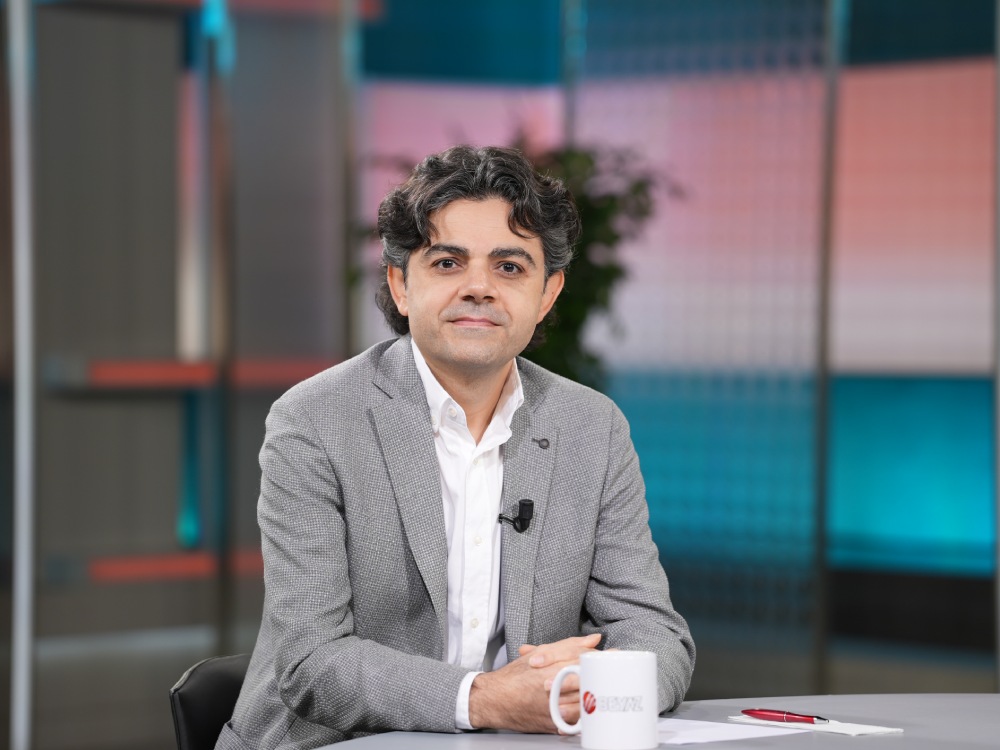
Among these specialists is Prof. Dr. Gökhan Boyraz — a Professor of Gynaecology and Obstetrics, certified Gynaecological Oncologist, and laparoscopic surgery specialist based in Istanbul.
Uterine fibroids are one of the most common gynaecological conditions affecting women worldwide. By the age of 50, up to 80% of women will have developed fibroids at some point in their lives. For many, they cause no symptoms at all.
But for others, fibroids bring heavy and painful periods, pelvic pressure, frequent urination, difficulty conceiving, or repeated miscarriages — conditions that quietly erode quality of life and reproductive health.
When fibroids need to be treated surgically, one question matters above all for women who want to keep their options open: “Do I have to lose my uterus?”
The answer is often no. Myomectomy — the surgical removal of fibroids while preserving the uterus — is a well-established, evidence-based procedure that relieves symptoms, restores reproductive potential, and leaves the uterus fully intact.
His clinical philosophy is built on a founding principle: wherever medically possible, the uterus should be preserved. This article explains what myomectomy involves, how Prof. Dr. Boyraz approaches it, and why Türkiye is an excellent destination for women seeking this procedure.
What are uterine fibroids?
Uterine fibroids (also called myomas or leiomyomas) are non-cancerous growths that develop within or on the muscular wall of the uterus. They range from the size of a grape seed to, in rare cases, the size of a grapefruit or larger. They may occur singly or in multiples.
Depending on where they develop, fibroids are classified as:
- Intramural fibroids — growing within the muscular wall of the uterus (the most common type)
- Submucosal fibroids — projecting into the uterine cavity, strongly linked to heavy bleeding and fertility problems
- Subserosal fibroids — growing outward on the outer surface of the uterus, sometimes causing pressure symptoms
- Pedunculated fibroids — attached to the uterus by a stalk, either internally or externally
Location, size, and number all influence which surgical technique is most appropriate — and determining the right approach is one of the most important decisions in fibroid care.
What is a myomectomy?
A myomectomy is a surgical operation that removes uterine fibroids while leaving the uterus in place. Unlike a hysterectomy — which removes the uterus entirely — a myomectomy is specifically designed to preserve the uterus, making it the procedure of choice for women who:
- Wish to have children in the future
- Want to keep their uterus for personal, cultural, or health reasons
- Have been told a hysterectomy is their “only option” but want a second opinion
Myomectomy is not simply a compromise: for appropriately selected patients, it delivers excellent symptom relief, improved quality of life, and meaningful improvements in fertility outcomes — all without the permanence of hysterectomy.
Prof. Dr. Gökhan Boyraz: Specialist in Uterus-Preserving Fibroid Surgery
When choosing a surgeon for myomectomy in Türkiye, credentials and experience matter enormously. Prof. Dr. Gökhan Boyraz brings a depth of training and expertise that few clinicians can match.
His qualifications include:
- Professor of Gynaecology and Obstetrics (awarded 2024)
- ESGO-Certified Gynaecological Oncologist — certified by the European Society of Gynaecological Oncology, the highest European standard for gynaecological surgical expertise
- Ranked 1st in Türkiye in the sub-speciality entrance examination (2013)
- Gynaecological oncology fellowship training at Hacettepe University — one of Türkiye’s most prestigious academic medical institutions
- International surgical training at Kliniken Essen Mitte, Germany — one of Europe’s leading gynaecological oncology centres
- Cadaveric surgery training in Graz, Austria, under ESGO
- Author of more than 40 peer-reviewed international scientific publications
- Member of the European Society of Gynaecological Oncology (ESGO), the Turkish Society of Gynecologic Oncology, and the Turkish Association of Gynecology and Obstetrics
Prof. Dr. Boyraz practises at his Istanbul Oncogynecology Clinic in the Fulya district of Istanbul, where his team sees patients from across the region and internationally.
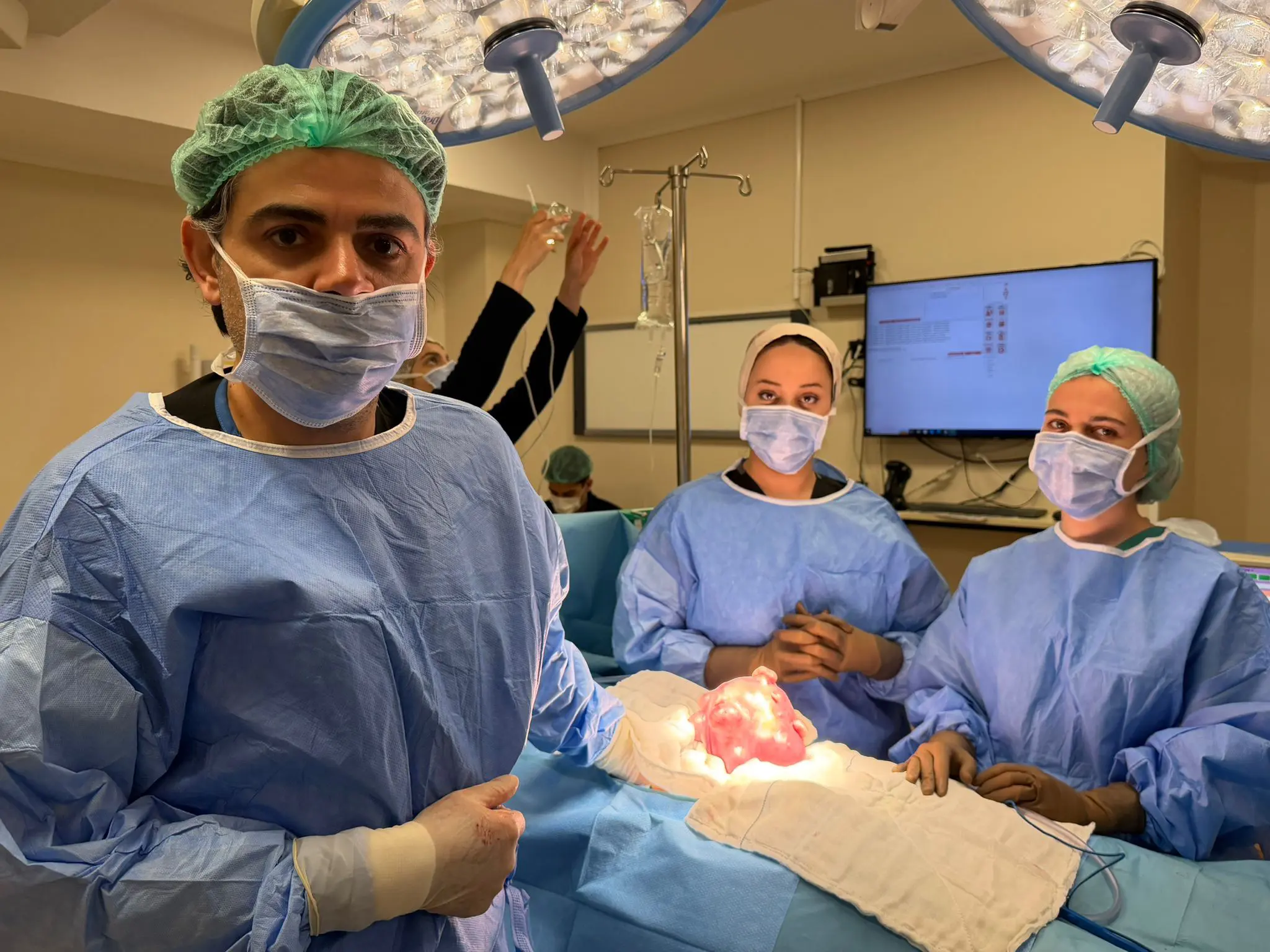
His commitment to laparoscopic (minimally invasive) surgery is central to his approach. Wherever technically feasible, he performs myomectomy laparoscopically — giving patients the benefits of smaller incisions, less post-operative pain, faster recovery, and quicker return to normal life.
Myomectomy approaches performed by Prof. Dr. Gokhan Boyraz
Laparoscopic Myomectomy
This is Prof. Dr. Boyraz’s preferred approach for the majority of fibroid cases. Using a thin camera (laparoscope) and miniaturised instruments inserted through tiny abdominal incisions, the fibroids are removed with precision while the uterus is carefully reconstructed.
Laparoscopic myomectomy is suitable for most small-to-large intramural and subserosal fibroids. It offers patients:
- Minimal scarring — incisions are just a few millimetres
- Significantly reduced post-operative pain
- Hospital stay of 1–2 days
- Return to normal activities within 2–4 weeks
- Lower risk of peri-operative complications compared to open surgery in skilled hands
Prof. Dr. Gokhan Boyraz has extensive experience in advanced laparoscopic procedures, including gynaecological oncology surgeries, which means his laparoscopic skill set goes far beyond routine cases. Complex or multiple fibroids are managed with the same precision and care.
Hysteroscopic myomectomy
For submucosal fibroids — those growing inside the uterine cavity — hysteroscopy is the most targeted and minimally invasive option. A hysteroscope is passed through the cervix into the uterus, and the fibroid is removed from within, with no abdominal incisions at all.
This approach is particularly effective for women experiencing heavy menstrual bleeding or recurrent implantation failure related to cavity fibroids. It is frequently performed as a day procedure, with very rapid recovery.
Open (Abdominal) Myomectomy
For patients with very large fibroids, an extremely high fibroid count, or cases where a minimally invasive approach is not anatomically appropriate, open myomectomy remains a valid and thorough option. Prof. Dr. Boyraz performs this with the same meticulous attention to uterine preservation and reconstruction.
Why preserving the uterus matters
The decision to preserve the uterus goes beyond fertility. The uterus is not simply a reproductive organ. It is a structurally and hormonally significant part of a woman’s anatomy.
Some research suggests that removing the uterus — even when the ovaries are retained — may be associated with changes in pelvic floor support and other long-term effects. For women who have not completed their families, or who simply wish to retain their anatomy, myomectomy is a medically sound, evidence-based choice.
Prof. Dr. Gokhan Boyraz believes that whenever a woman presents with symptomatic fibroids, the first question should be: “Can we remove the fibroids and preserve the uterus?” — not “Should we remove the uterus?” This patient-centred philosophy guides every surgical consultation at his clinic.
Myomectomy Surgery in Turkey: What to expect
Remote Consultation
International patients can begin the process from home. Share your ultrasound or MRI images and a summary of your symptoms with Prof. Dr. Boyraz’s team via the clinic’s WhatsApp or contact form. A personalised treatment plan and transparent cost estimate will be provided.
Arrival and Pre-Operative Work-Up
On arrival in Istanbul, you will attend a pre-operative assessment including blood tests, imaging review, anaesthesiology consultation, and a face-to-face consultation with Prof. Dr. Boyraz to finalise the surgical plan and answer your questions.
Surgery Day
The procedure is performed under general anaesthesia by Prof. Dr. Boyraz and his team. For laparoscopic myomectomy, the procedure typically takes 1–2 hours. Open myomectomy may take slightly longer depending on complexity.
Recovery
Laparoscopic patients typically stay 1–2 nights in hospital. Open surgery patients stay 3–5 nights. Pain is well-controlled, and the nursing team monitors your recovery throughout.
Return Home
Most laparoscopic patients can fly home after approximately 5–7 days. Open myomectomy patients are generally cleared to travel after 7–10 days. A detailed discharge summary is provided for your home physician, and telemedicine follow-up is available.
Cost
Myomectomy surgery in Türkiye with Prof. Dr. Boyraz is significantly more affordable than equivalent procedures in Western Europe or North America, without any compromise on surgical expertise or facility quality. Contact the clinic directly for a personalised, all-inclusive quote.
Frequently asked questions about myomectomy surgery in Turkey
1. Is it really possible to remove fibroids without removing the uterus?
Yes, in most cases. Myomectomy is specifically designed to remove fibroids while keeping the uterus intact and functional. The key factors are the size, number, and location of the fibroids, and the experience of the surgeon.
Prof. Dr. Gokhan Boyraz is highly experienced in laparoscopic and hysteroscopic myomectomy, and his clinical approach is explicitly oriented towards uterus preservation. During your consultation, he will review your imaging and give you an honest, personalised assessment of whether myomectomy is technically feasible for your case.
2. Can myomectomy surgery in Türkiye help me get pregnant?
For many women, yes — particularly when fibroids are distorting the uterine cavity or blocking the fallopian tubes. Submucosal fibroids (inside the uterine cavity) are most strongly associated with implantation failure and recurrent miscarriage, and removing them often results in meaningful improvements in pregnancy rates.
Prof. Dr. Boyraz’s approach to myomectomy puts fertility preservation at the forefront of surgical planning — the uterus is carefully reconstructed after fibroid removal to optimise both structure and reproductive function.
3. What makes Prof. Dr. Gökhan Boyraz the right choice for myomectomy in Türkiye?
Prof.Dr. Gokhan Boyraz holds the highest European certification in gynaecological surgery (ESGO), trained internationally in Germany and Austria, ranked first in Türkiye’s gynaecological oncology sub-speciality exam, and has published over 40 peer-reviewed research papers.
His advanced laparoscopic skills — developed across highly complex gynaecological oncology surgeries — mean he is exceptionally well-equipped for challenging myomectomy cases. Most importantly, his clinical philosophy centres on preserving the uterus wherever possible, putting him among the most patient-aligned fibroid specialists in Istanbul.
4. How long will I need to stay in Istanbul for myomectomy surgery?
For laparoscopic myomectomy, most international patients plan for approximately 7–10 days in Istanbul in total: 1–2 nights in hospital, followed by a short recovery period locally before the surgical team clears you for travel. Open myomectomy typically requires a slightly longer stay of 10–14 days. Prof. Dr. Boyraz’s team will give you a clear timeline during your pre-travel consultation so you can plan accordingly.
5. Is there a risk that fibroids will come back after myomectomy?
Myomectomy removes existing fibroids, but it does not prevent new fibroids from forming in the future. Studies suggest that new fibroids may appear in approximately 15–30% of women over 5–10 years after surgery — though recurrence rates vary depending on factors such as the number of fibroids originally removed, patient age, and hormonal profile.
For women who are planning a pregnancy after myomectomy, the goal is to conceive before potential regrowth becomes a concern. Prof. Dr. Gokhan Boyraz will discuss your specific risk profile and post-operative follow-up plan during your consultation.
6. I’ve been told I need a hysterectomy. Should I seek a second opinion before agreeing?
Absolutely, and this is a very reasonable step. There are clinical situations in which hysterectomy is truly the most appropriate option — but there are also many cases where a skilled laparoscopic surgeon can achieve excellent results with myomectomy instead.
If you have been told a hysterectomy is your only option but have not yet had a consultation with a specialist in minimally invasive, uterus-preserving surgery, Prof. Dr. Gokhan Boyraz’s clinic offers second-opinion consultations. You deserve to make this decision with complete information.
Prof. Dr. Gökhan Boyraz brings together ESGO-certified surgical excellence, deep laparoscopic expertise, and a patient-first philosophy that puts uterine preservation at the centre of every fibroid case. His clinic in Istanbul welcomes patients from Türkiye and internationally, offering personalised consultations, transparent treatment planning, and world-class care at an accessible cost.
This article has been written for informational purposes. It does not substitute for a clinical consultation with a qualified specialist. Please contact Prof. Dr. Boyraz’s clinic directly to discuss your individual medical situation.