Fibroid Surgery in Turkey: Removing Fibroids While Preserving Your Uterus
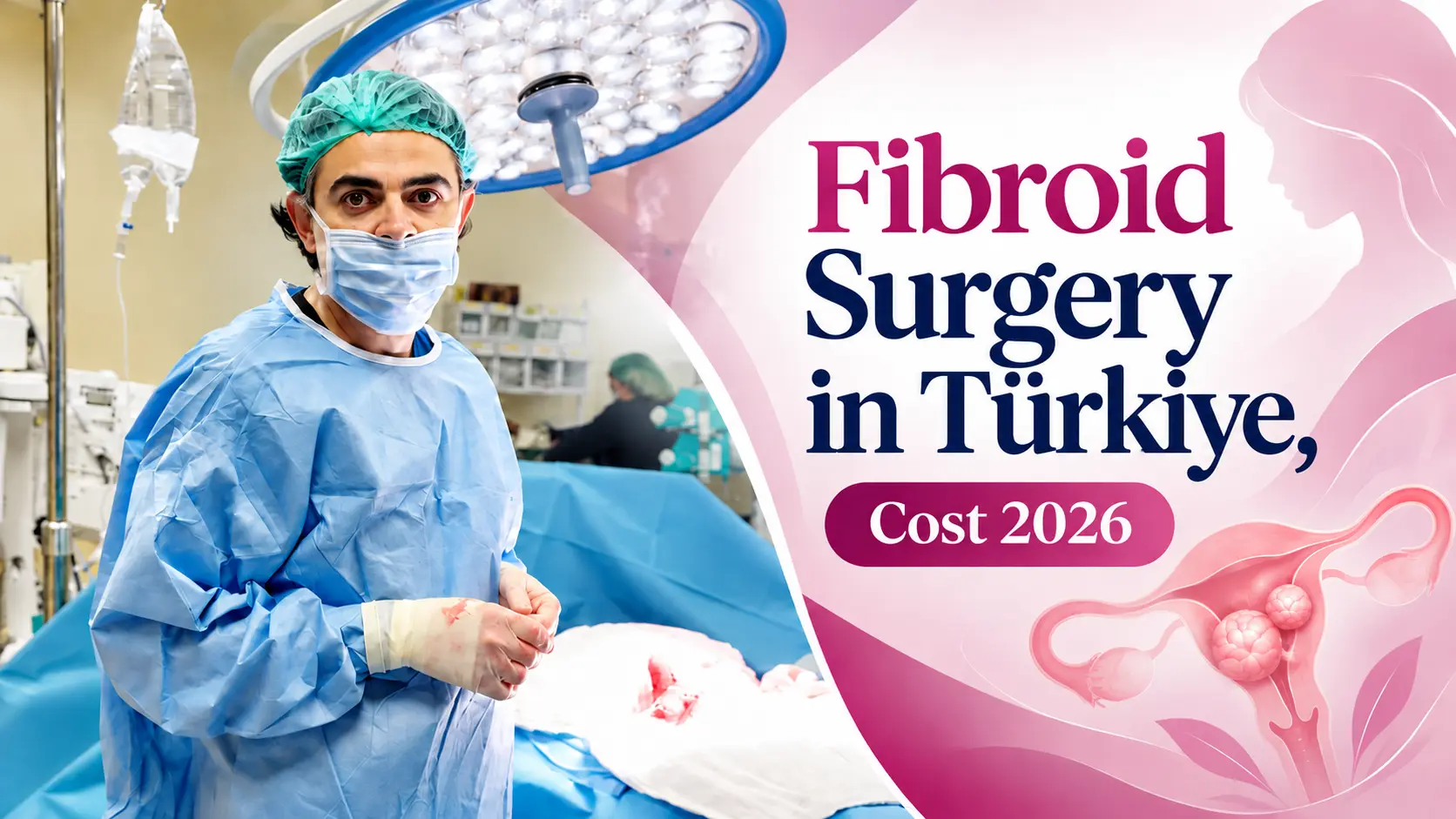
Fibroid surgery in Turkey does not have to mean losing your uterus. Many women come to me after being told that their fibroids are too large, too numerous or too complex to remove, and that a hysterectomy is their only option.
In carefully selected patients, that is not the case. Fibroids can be removed while the uterus is preserved and the chance of a future pregnancy is protected.
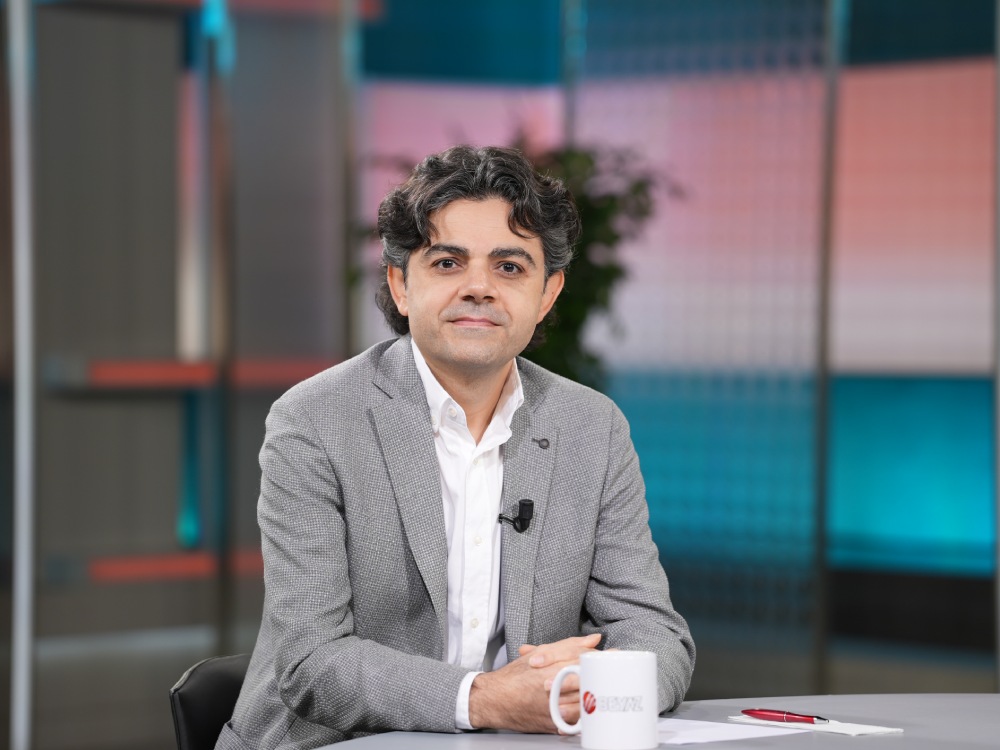
I am Professor Gökhan Boyraz, a gynecologic oncology surgeon based in Istanbul, and complex, uterus-preserving fibroid surgery is one of the main focuses of my practice.
In this guide I explain what fibroids are, how they are diagnosed and treated, how I approach surgery, what the journey looks like for patients who travel to Istanbul, what it costs, and which risks you should know about.
How much does fibroid surgery cost in Turkey?
The cost depends on the size and number of fibroids, the complexity of the operation, whether a laparoscopic or open approach is used, the operating time and the length of the hospital stay. For this reason I cannot give an exact price before reviewing your medical records and examining you.
Our fibroid surgery packages generally start from 7,500 US dollars. This starting price includes the surgical team’s fees, operating room expenses, anesthesia, preoperative laboratory tests, pathological examination and one night of hospitalization.
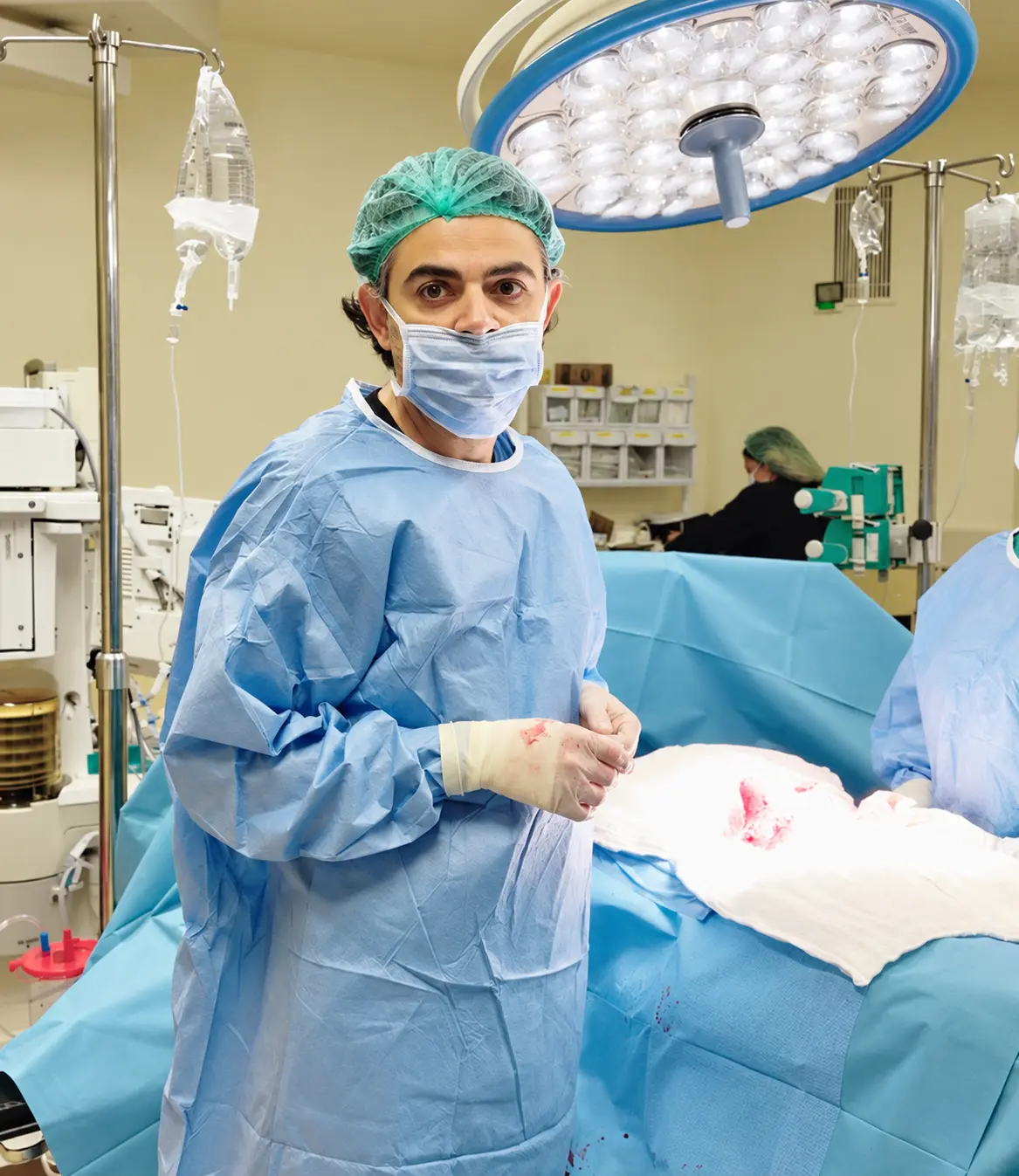
If the surgery is more complex or requires a longer hospital stay, the total cost may be higher. We believe in being transparent, and we want every patient to understand the expected cost and what it includes before surgery.
What are uterine fibroids?
Fibroids, also called myomas or leiomyomas, are benign (non-cancerous) tumors that grow from the smooth muscle cells of the uterus. They are the most common tumors found in a woman’s pelvis. Their exact cause is not fully understood, but hormones play a role, which is why fibroids tend to appear during the reproductive years and often shrink after menopause.
Fibroids vary enormously. Some are tiny and never cause a problem. Others grow very large, and some women develop dozens of them at the same time.
What symptoms can fibroids cause?
Many women have no symptoms at all. When fibroids do cause problems, they usually include:
- Heavy periods, or periods that last longer than normal
- Frequent or irregular vaginal bleeding
- Pelvic or groin pain, and pain during sexual intercourse
- Frequent urination, difficulty passing urine or urinary leakage when a fibroid presses on the bladder
- Constipation or difficult bowel movements when a fibroid presses on the bowel
- Pregnancy-related problems, including infertility, miscarriage and repeated pregnancy loss
Heavy bleeding can also lead to anemia, which is one reason I check blood tests before planning any operation.
How are fibroids diagnosed?
Diagnosis starts with a gynecological examination and a pelvic ultrasound. For women who are considering surgery, I usually recommend a pelvic MRI as well. An MRI shows the size, number and exact location of the fibroids, which allows me to plan the operation carefully before the patient reaches the operating room. Blood tests check general health and look for anemia, and in some patients a biopsy of the uterine lining is also needed.
Not every fibroid needs treatment. If fibroids are small, cause no symptoms and are not growing, regular ultrasound follow-up may be all that is required. Treatment becomes necessary when fibroids cause heavy bleeding, pain, urinary problems or fertility problems.
Can fibroids be removed without removing the uterus?
Yes. The operation is called myomectomy, and it removes the fibroids while leaving the healthy uterus in place. Medications may help control symptoms such as heavy bleeding in some women, but they do not remove fibroids.
For women who need treatment and want to keep their uterus, surgery is the approach I prefer, because it physically removes the fibroids while preserving healthy uterine tissue.
This is the message at the heart of my practice: our goal is to remove the fibroids, not the uterus. Fibroid size alone does not decide the question. Even very large fibroids can often be removed on their own, and afterwards the uterine wall is repaired with stitches placed in several layers.
Hysterectomy is permanent, and a woman can never carry a pregnancy after it, which is why I believe it should not be the automatic answer for someone who wants to keep her uterus and her fertility.
Types of uterus-preserving fibroid surgery
Which technique is best depends on the size, number and position of the fibroids. I decide this for each patient after examination and MRI.
Laparoscopic (closed) myomectomy
Through a few small incisions, a camera and fine instruments are used to remove the fibroids. Compared with open surgery, the closed approach usually means smaller scars, less pain, less blood loss, fewer adhesions inside the abdomen and a faster recovery. The removed fibroids are placed in a special bag and taken out of the abdomen, and the ovaries and tubes are not harmed. Whenever appropriate, I prefer this minimally invasive approach, even in complex cases.
Hysteroscopic myomectomy
Fibroids that grow inside the uterine cavity can be removed with no abdominal incision at all. A thin camera is passed through the cervix, and the fibroid is removed from the inside. This operation can often be done as a day case.
Open myomectomy
Open surgery through a larger incision remains a safe option for patients who are not suitable for the closed approach, for example some women with very large or very numerous fibroids. The choice is always made case by case.
My experience with complex fibroid surgery
I have performed hundreds of fibroid operations, and I have never had to remove the uterus in any of these patients. A few cases show what is possible:
- One patient had a fibroid weighing 18 kilograms. We removed it, preserved her uterus, and she later became pregnant and gave birth to a healthy baby. It is one of the most rewarding outcomes of my surgical career.
- In another patient we removed 150 individual fibroids, again preserving her uterus.
- A 33-year-old woman with no children traveled to me from another city after being told that her uterus had to be removed. We removed a 5-kilogram fibroid and kept her uterus.
Many of the women who contact me have been told elsewhere that their fibroids cannot be removed. Some have even had surgery in which the fibroids could not be removed.
Almost all of them ask the same question before they travel: “Doctor, can you remove my fibroids without removing my uterus?” In many challenging cases, with advanced surgical techniques and experience in complex myomectomy, the answer is yes.
What I do differently
As a gynecologic oncology surgeon, I have trained extensively in highly complex pelvic surgery, where precise anatomical dissection and advanced bleeding control are essential. I apply the same principles to every myomectomy.
Three things matter most to me:
- Understanding the anatomy and planning each operation carefully before surgery
- Achieving excellent bleeding control throughout the procedure
- Removing the fibroids without causing unnecessary damage to the healthy uterine tissue
I also remove every fibroid, regardless of number or size, including the smallest nodules. We do not leave small fibroids behind. Surgeon experience matters in myomectomy because it directly affects how much blood is lost and whether the uterus can be preserved, and this is why I can plan a uterus-preserving operation with confidence, even for patients who were advised to have a hysterectomy elsewhere.
Fertility and pregnancy after myomectomy
One of the main goals of myomectomy is not only to keep the uterus but to protect the possibility of a future pregnancy. After uterus-preserving surgery I generally recommend waiting about six months before trying to conceive, depending on the extent of the surgery and how well the uterus has healed. In selected cases this period can be shorter. As the uterine wall heals, it regains its strength.
Many of my patients have become pregnant after myomectomy, especially when no other factors are affecting their fertility. After myomectomy, a cesarean delivery is usually preferred. When a fibroid grew outside the uterine wall or on a stalk and the wall was not damaged, a vaginal birth may still be possible. Your obstetrician will advise you on the safest option.
Uterine artery embolization and other alternatives
Non-surgical options include uterine artery embolization, medications and other minimally invasive procedures. When a patient wants to preserve her uterus and her fertility, my preferred treatment is myomectomy, because surgery physically removes the fibroids.
Embolization works by reducing the blood supply to the fibroids so that they shrink rather than being removed completely. It can be effective for selected patients, but it may cause significant pain, sometimes needs additional treatment, and its effects on future fertility and pregnancy remain an important concern. For women who wish to become pregnant, I generally do not recommend embolization as the first treatment option. This is my clinical opinion, and the right choice always depends on your individual situation.
Can fibroids become cancer?
It is very rare for a fibroid to turn cancerous. When it happens, the cancer is called a sarcoma or leiomyosarcoma. These are the warning signs that call for careful evaluation:
- A fibroid that grows rapidly
- A fibroid that keeps growing after menopause
- A large mass that can be felt in the abdomen
- Heavy vaginal bleeding
Any vaginal bleeding after menopause should always be investigated. Careful assessment before surgery is part of planning every myomectomy.
Fibroid surgery in Turkey: the journey for international patients
Patients travel to my clinic in Istanbul from many countries, and we try to make the process as simple and comfortable as possible.
Before you travel
The first step happens before you leave home. I usually recommend a pelvic MRI. You can send the MRI report and your medical records to us through WhatsApp, and we make an initial assessment and discuss the surgical plan before you arrive.
In Istanbul
When you arrive, we examine you at the clinic and complete the necessary preoperative evaluations. Surgery can usually be scheduled for the following day or within the next few days. After surgery, most patients stay in the hospital for one or two nights.
Going home
We generally recommend staying in Istanbul for a total of five to seven days. Before you leave, we see you again at the clinic for a postoperative check. If your recovery is progressing well and you are medically fit to travel, you can fly home.
Recovery after fibroid surgery
Recovery depends on the technique used. These are typical timelines:
- Laparoscopic myomectomy: hospital stay of 1–2 days, back to work in about 1–2 weeks, full recovery in 3–4 weeks
- Hysteroscopic myomectomy: usually discharged the same day, back to work in 2–5 days, full recovery in 1–2 weeks
- Open myomectomy: hospital stay of 2–4 days, back to work in 4–6 weeks, full recovery in 6–8 weeks
Mild to moderate pelvic pain and a feeling of tightness are common after surgery and are usually well controlled with painkillers. During recovery, avoid heavy lifting, get enough rest and attend your follow-up checks.
What are the risks of fibroid surgery?
Every operation carries risks, and myomectomy is no exception. The biggest concern is heavy bleeding, especially with large or multiple fibroids. In hundreds of myomectomies, I have never had to remove a patient’s uterus because of uncontrolled bleeding. Some patients may still need a blood transfusion, particularly in very complex cases, and minor complications can occasionally occur. In my experience, we have not encountered major surgical complications in these procedures.
As with any operation, risks such as infection and adhesions exist, and the closed approach generally keeps them lower than open surgery. In my view, the key factors in lowering risk are detailed surgical planning, precise anatomical dissection, excellent bleeding control and extensive surgical experience.
Can fibroids come back after surgery?
New fibroids can develop after a myomectomy. Studies report new fibroids in roughly 15–30% of women, and the risk is higher in younger, premenopausal women. It is also related to the number of fibroids removed and to hormone levels.
One of the most important ways to reduce recurrence is to make sure that even the smallest fibroids are not left behind. It is not enough to remove only the large fibroids, which is why I remove all of them. Regular check-ups after surgery are also important.
About Prof. Dr. Gökhan Boyraz
Prof. Dr. Gökhan Boyraz graduated from Ankara University Faculty of Medicine in 2008 and completed his obstetrics and gynecology residency at Hacettepe University, followed by subspecialty training in gynecologic oncology surgery, which he completed in 2017. He trained in gynecologic oncology in Essen, Germany, and holds the European Gynaecological Oncologist diploma and accreditation awarded by the European Society of Gynaecological Oncology (ESGO). He became an Associate Professor in 2019 and a Professor of Obstetrics and Gynecology in December 2024. Since 2022 he has been the founder of the Istanbul Oncogynecology Clinic, and fibroid surgery, uterus-preserving myomectomy and closed (laparoscopic) fibroid surgery are among his main areas of work.
Frequently asked questions
Can fibroids be removed without a hysterectomy?
Yes. In carefully selected patients, fibroids can be removed while the uterus is kept and future fertility is protected. The operation is called myomectomy, and fibroid size alone does not mean the uterus has to be removed.
How much does fibroid surgery cost in Turkey?
At our clinic, fibroid surgery packages generally start from 7,500 US dollars, including the surgical team, operating room, anesthesia, preoperative tests, pathology and one night in hospital. The final price depends on the complexity of the surgery and the hospital stay.
How long do I need to stay in Istanbul after fibroid surgery?
Most patients stay in the hospital for one or two nights, and we generally recommend planning five to seven days in Istanbul in total. We see you for a postoperative check before you travel home.
How long should I wait to get pregnant after a myomectomy?
I generally recommend waiting about six months, depending on the extent of the surgery and how well the uterus has healed. In selected cases the wait can be shorter, and your doctor will advise you individually.
Can fibroids grow back after surgery?
New fibroids can develop, and studies report this in roughly 15–30% of women after myomectomy. Removing every fibroid, including the smallest ones, is one of the most important ways to lower that risk.
Is embolization better than myomectomy if I want children?
For women who wish to become pregnant, I generally do not recommend uterine artery embolization as the first treatment option. Embolization shrinks fibroids rather than removing them, and its effects on future fertility and pregnancy remain a concern. Myomectomy removes the fibroids while preserving healthy uterine tissue.
Talk to us about your case
If you have been told that your uterus must be removed because of fibroids, you can contact us to explore whether uterus-preserving surgery is possible for you.
Send your MRI report and medical records to us on WhatsApp at +90 536 813 79 40, and we will review your case and discuss the best treatment options. Our clinic is in Fulya, Istanbul (Teşvikiye Mahallesi, Hakkı Yeten Caddesi, Unimed Center No:19, Floor 8).
Having fibroids does not necessarily mean losing your uterus.
This article is for general information only and does not replace medical advice. Every patient’s situation is different, so please consult a qualified physician for diagnosis and treatment.